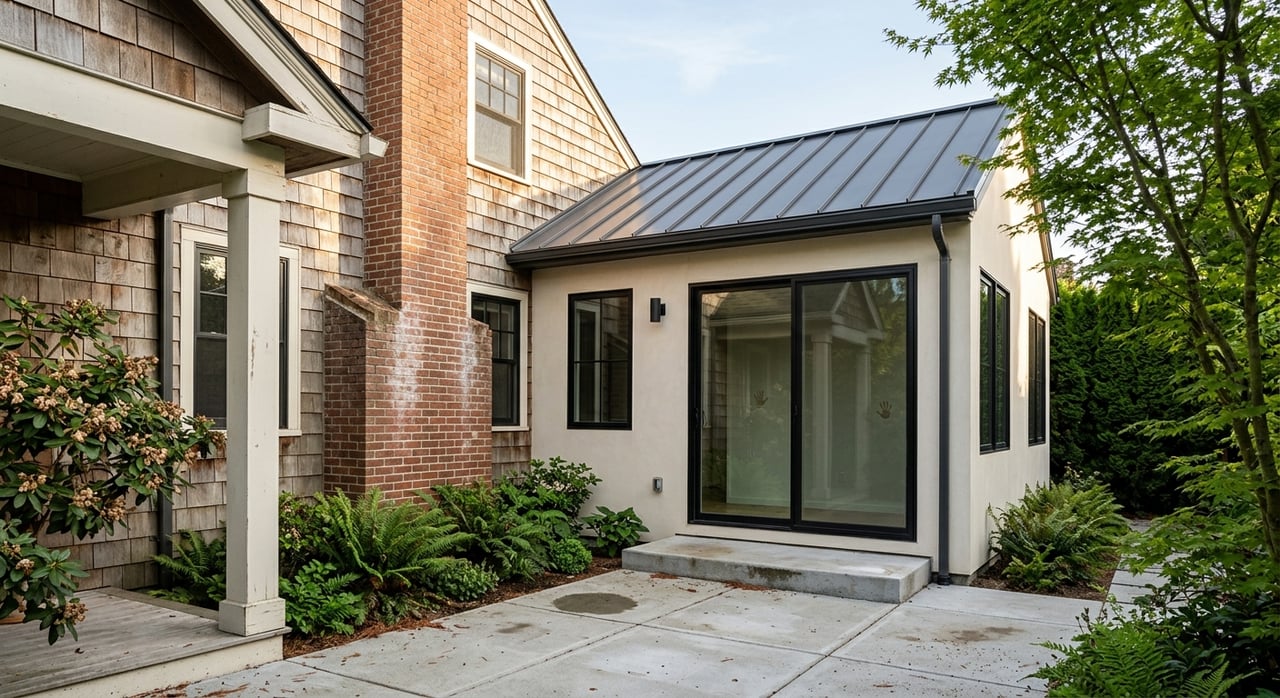
Kirkland New Construction Vs Classic Homes
July 16, 2026
July 16, 2026
Trying to choose between a brand-new home and a classic Kirkland property? In a market where home values are high and inventory spans everything from historic houses to newer, compact builds, that decision can shape your budget, lifestyle, and future plans for years. If you are buying in Kirkland, it helps to look beyond finishes and ask how age, lot size, walkability, and maintenance will affect your day-to-day life. Let’s dive in.
Kirkland is a great example of a market where one size does not fit all. The city had 42,956 homes in 2023, with single-family detached homes still making up the majority, even as multi-unit housing has grown over time. That creates a meaningful mix of housing types, ages, and settings across the city.
The age of the housing stock also matters here. Kirkland reports that 42% of its homes were built between 1970 and 1989, and 22% of the housing stock is 55 years old or older. In practical terms, that means you are often comparing newer homes designed for modern living with older properties that may offer more land, more history, or more room to adapt over time.
Price adds another layer to the decision. Census Reporter data show a median owner-occupied home value of about $1.24 million in Kirkland, alongside a median household income of $167,626. In a premium market like this, buyers often weigh not just purchase price, but also what the home will cost to own, maintain, and improve after closing.
New construction in Kirkland usually appeals to buyers who want a more turnkey experience. A newer home often starts with current finishes, a more open layout, and fewer immediate repair concerns. That can make the first few years of ownership feel simpler and more predictable.
There is also an efficiency advantage. Washington’s 2021 State Energy Code took effect statewide on March 15, 2024, so newly permitted residential construction is built to current efficiency standards. For you, that can mean a home that better reflects today’s expectations for insulation, air sealing, windows, and mechanical systems.
In Kirkland, newer housing is often tied to the city’s designated urban centers and growth areas. Totem Lake and Greater Downtown Kirkland are identified by the city as urban centers with a mix of uses and planned or existing high-capacity transit. Greater Downtown is intended to remain walkable, compact, and oriented around pedestrian and transit access.
That location pattern can shape your lifestyle. If you want easier access to shops, services, and transit, newer homes may line up well with your goals. For buyers who value convenience and a more connected daily routine, that can be a strong reason to pay a premium.
The biggest tradeoff with new construction is often the site itself. Kirkland’s housing analysis notes that older homes are often found on larger lots, while newer homes tend to deliver more square footage through a more efficient site plan. So while a new home may offer modern design and less near-term upkeep, it may not give you the same yard space or future expansion potential.
That is where your priorities matter. If you care most about move-in-ready condition and current systems, new construction can make a lot of sense. If you are thinking long-term about lot utility, outdoor use, or future changes, it is worth comparing more than just the interior.
In Kirkland, a classic home is often about more than age alone. Some of the city’s older neighborhoods carry a visible sense of history, and the Market Neighborhood is one of the clearest examples. The city notes that more than one-third of the structures on Kirkland’s citywide historic inventory are located there.
Architectural influences in older Kirkland areas include Victorian, Queen Anne, and the broader Arts and Crafts, bungalow, and Craftsman-era styles. For many buyers, that character is a real draw. These homes can offer design details and a sense of place that newer construction rarely replicates.
Classic homes in Kirkland often come with another advantage: land. The city says older homes tend to be smaller and are often found on larger lots, including parcels around 9,600 square feet or more. That can create opportunities for additions, major renovations, or in some cases replacement over time.
If you are comfortable looking past dated finishes, a classic home may give you more flexibility in the long run. This is especially relevant in Kirkland, where buyers may see value not just in the structure, but in the lot’s future utility. A property with a larger footprint outside can offer options that a newer, more compact home may not.
Older homes can be deeply appealing, but they usually ask more of you as an owner. Systems may be older, layouts may not feel as open, and updates may vary widely from one property to the next. Some classic homes have been carefully renovated, while others may need meaningful work.
This is where condition matters more than age by itself. Fannie Mae’s property condition guidance makes a clear distinction between newly built homes and older homes that are well maintained or recently renovated. A classic home can still compete very well when updates have been done thoughtfully, but deferred maintenance can affect both comfort and marketability.
One of the most useful things to remember in Kirkland is that location can matter as much as the home’s age. The city’s 10 Minute Neighborhood analysis points to Downtown, Village at Totem Lake, and Juanita Village as highly walkable mixed-use commercial neighborhoods. These areas were planned to support easier access to daily destinations such as parks, commercial uses, transit, sidewalks, and trails.
That means a newer home in or near a growth center may offer a very different routine than an older home on a quieter residential block. If being able to walk to errands or services matters to you, the map around the home deserves as much attention as the floor plan.
Classic neighborhoods can still offer excellent proximity to downtown, the waterfront, or other popular destinations, but walkability is not always consistent. The Market Neighborhood plan notes missing sidewalk segments and on-street parking pressure in parts of that area. So while an older home may sit in a highly desirable setting, the daily walking experience can vary more than buyers expect.
This is one reason I encourage buyers to think in terms of lived experience. Drive times matter, but so do sidewalks, street patterns, and how easy it feels to get around on foot. In Kirkland, those details can shift meaningfully from one neighborhood block to the next.
A new home usually begins at a simpler maintenance baseline. Because the systems, roof, finishes, and major components are new, you are less likely to face immediate repair surprises. That can be a major plus if you want cost predictability early in ownership.
Energy performance is also part of the picture. Since new homes are built to current Washington energy-code standards, they may reduce some of the concerns buyers have about outdated insulation or older windows and systems. That does not eliminate expenses, but it can make monthly ownership feel more efficient.
Classic homes often require a wider maintenance cushion, especially if updates have been deferred. National Census Bureau analysis found that new owners of older homes spent a median of $3,900 per year on upkeep, compared with $1,500 per year for longtime owners. While that is a national benchmark rather than a Kirkland-specific one, it helps explain why older homes can feel more expensive after move-in.
Those upkeep costs can include painting, plumbing, roofing, and other routine repairs. In a high-cost market like Kirkland, it is wise to budget for both planned improvements and unplanned issues. A beautiful older home can be a smart purchase, but only if your budget matches the reality of ongoing care.
When buyers ask which type of home resells better, the most accurate answer is usually this: condition and location matter more than age alone. A newly built home often appeals to buyers who want less near-term maintenance and a more current look. A classic home can be just as attractive when it combines a good location, preserved character, and meaningful system updates.
Fannie Mae’s guidance supports that idea by recognizing that an older home that has been fully renovated can be comparable in condition to newer product. In Kirkland, that matters because buyers are often looking for a combination of practicality and identity. A home that feels distinctive and functions well can stand out in this market.
Kirkland’s housing analysis adds another important point. Because many older homes sit on larger lots and may be candidates for addition or replacement, they can attract buyers who value future flexibility. In some cases, that makes the lot almost as important as the existing home.
If resale is top of mind, it helps to think about what the next buyer may want. Some buyers will pay for turnkey condition and modern efficiency. Others will pay for character, lot size, and the ability to evolve the property over time.
If you are weighing new construction against a classic home in Kirkland, start with your real priorities rather than the listing photos. Ask yourself whether you want lower maintenance now, more lot space later, stronger walkability, or architectural character that may come with added upkeep.
A helpful way to frame the choice is this:
In Kirkland, the right answer is rarely about which category is better overall. It is about which tradeoffs best fit your budget, your lifestyle, and your plans for the next several years.
If you want help comparing specific homes in Kirkland, Larissa Wilson can help you look beyond the surface and evaluate design, condition, resale potential, and neighborhood fit with a clear local strategy.
Larissa's passion is helping people through the steps of buying and selling. She is willing to keep her clients involved throughout the entire process, but at the same time she doesn't want stress with the details, either, which is a part of what hiring her is all about! She knows the community and surrounding areas, including West Seattle, Greater Seattle and the Eastside.