Making Multigenerational Living Work in Seattle Homes
Buying a Home in Seattle Rob Mathison February 4, 2026
Buying a Home in Seattle Rob Mathison February 4, 2026
Maybe you grew up watching The Waltons… or maybe you’ve never heard of it. But for anyone who caught TV in the 1970s, it’s hard to forget the picture of one big, busy, loving household spanning three generations—and each episode ending with everyone calling goodnight to one another as the screen went dark.
What once felt like a nostalgic TV ideal is increasingly real life for American homeowners: grandparents, parents, and kids living together under one roof.
And it’s not a niche trend anymore. According to the National Association of REALTORS®, 17% of homes purchased last year were bought by multigenerational households—an all-time high. (National Association of REALTORS®) And according to Angi, 1 in 4 homeowners are living in multigenerational households. (Angi)
There’s no single reason—most families have a mix of motivations. But a few themes come up again and again:
1) Support and caregiving
For many households, living together makes it easier to support aging parents, share responsibilities, and create a safer day-to-day setup.
2) Adult kids (or adult siblings) returning home
Whether it’s student debt, rent costs, job transitions, or simply trying to get ahead—more adults are choosing to live with family longer. NAR has also reported that adult children moving back in (or never leaving) is one of the top drivers of multi-gen home purchases. (National Association of REALTORS®)
3) Cost savings and affordability
Pooling resources can be the difference between “not possible” and “we can actually do this.” Sharing a home often means sharing the mortgage, utilities, childcare expenses, and everyday costs—while potentially buying a better long-term property than any one household could afford on its own.
4) Togetherness (and convenience)
Multi-generational living can be surprisingly practical: built-in childcare, pet sitting, house sitting, extra hands for rides and errands… and a lot more time together without feeling like you’re constantly coordinating schedules.
Generations United found that 57% of adults in multigenerational households say COVID influenced their decision, and 72% plan to continue long-term. (Generations United)
Recently, someone asked on Reddit: “If you’ve lived with family, what are some lessons you learned?”
The most popular answer (by far) was: respect boundaries.
Many families make this work beautifully—but the families who thrive tend to communicate early, set expectations, and design the living arrangement intentionally.
If You’re Considering Moving In Together, House-Shop With the Long Game in Mind
Just like an ounce of prevention is worth a pound of cure, the easiest time to solve multigenerational challenges is before you move in, not after.
How much togetherness do you actually want?
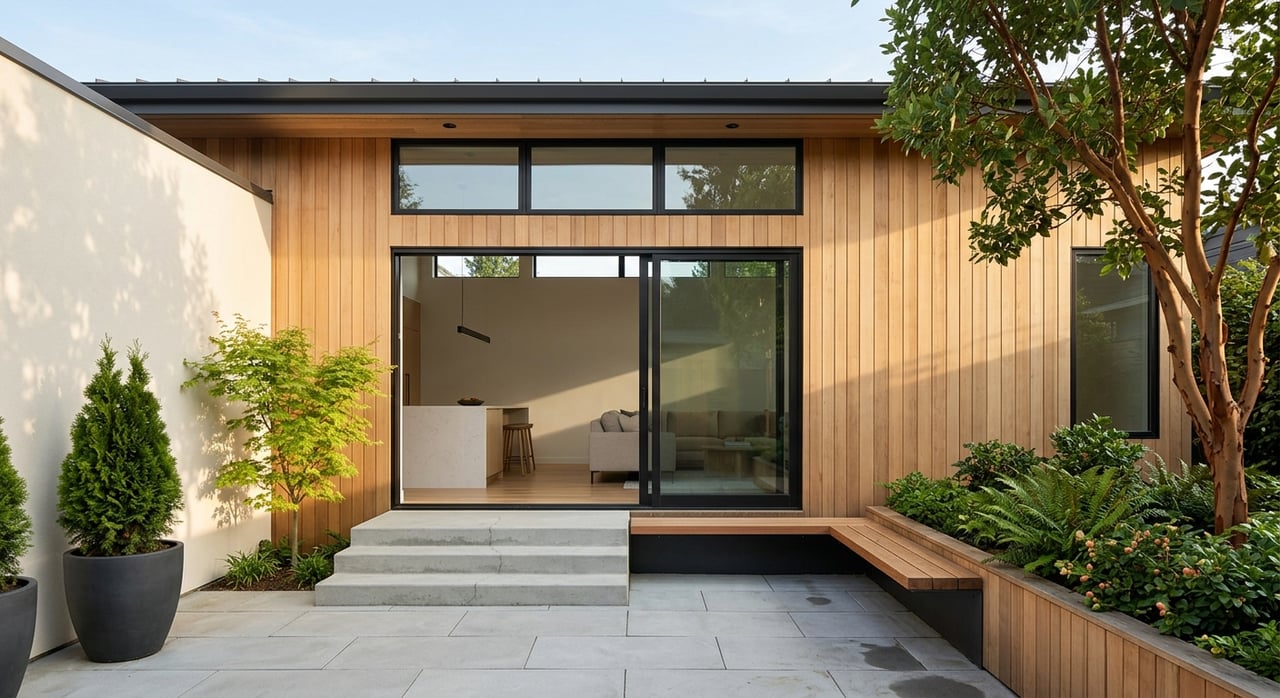
Shared living spaces with separate bedrooms? A true “mother-in-law” suite? A daylight basement setup? Or a detached space like a DADU?
What level of privacy does each household need?
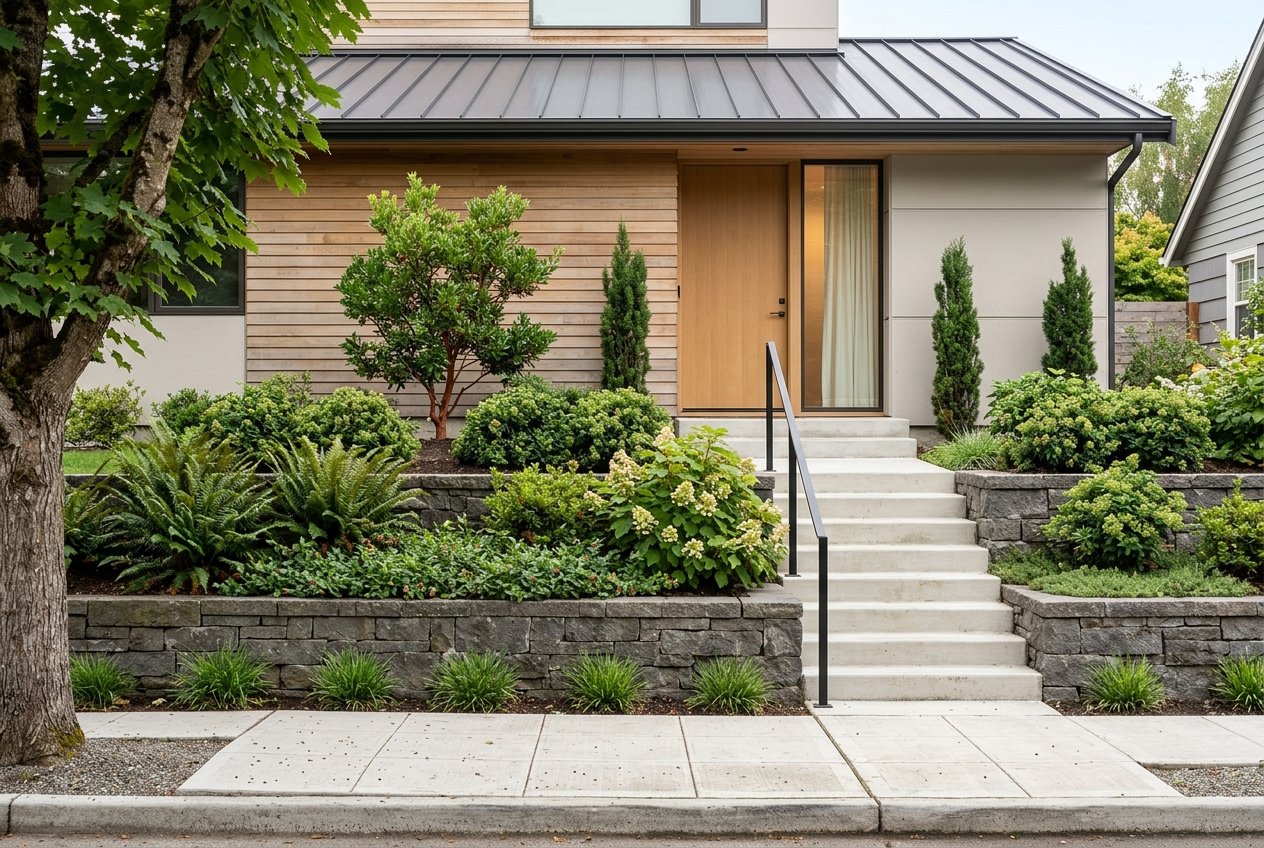
Separate entrances can be a game-changer. So can a second living room, a second laundry area, or even just a door that creates a buffer between spaces.
Are there future accessibility needs?
If someone may age in place, think about fewer stairs, a bathroom that can adapt over time, and spaces that work if mobility changes.
How important is sound separation?
(This matters more than people think.) Maybe one family member works from home full time, or someone plays drums, or teenagers keep different hours. Layout + construction quality make a difference.
What “together spaces” do you want to share?
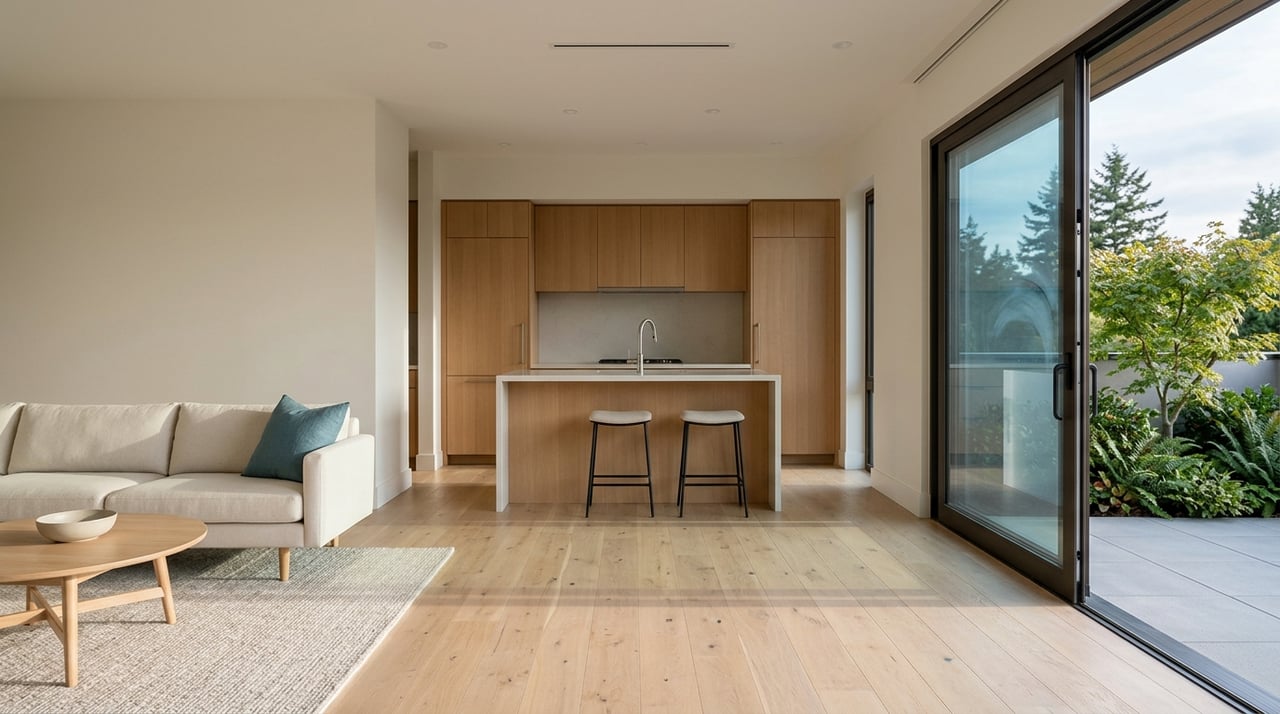
Kitchen? Dining? Backyard? Maybe you want one big communal kitchen. Or maybe the dream is two smaller kitchens so the morning routines don’t collide.
Multigenerational homeownership is rising for a reason: it can be financially smart, emotionally meaningful, and genuinely supportive for families navigating modern life.
And like most things in real estate, it works best when it’s done with intention—clear boundaries, a smart layout, and a home that fits not only today’s needs, but the version of life you’re likely growing into.
National Association of REALTORS® — multi-generational homebuying trend data
Angi — 2024 State of Home Spending (multi-generational households)
Generations United — multigenerational households research
Larissa's passion is helping people through the steps of buying and selling. She is willing to keep her clients involved throughout the entire process, but at the same time she doesn't want stress with the details, either, which is a part of what hiring her is all about! She knows the community and surrounding areas, including West Seattle, Greater Seattle and the Eastside.