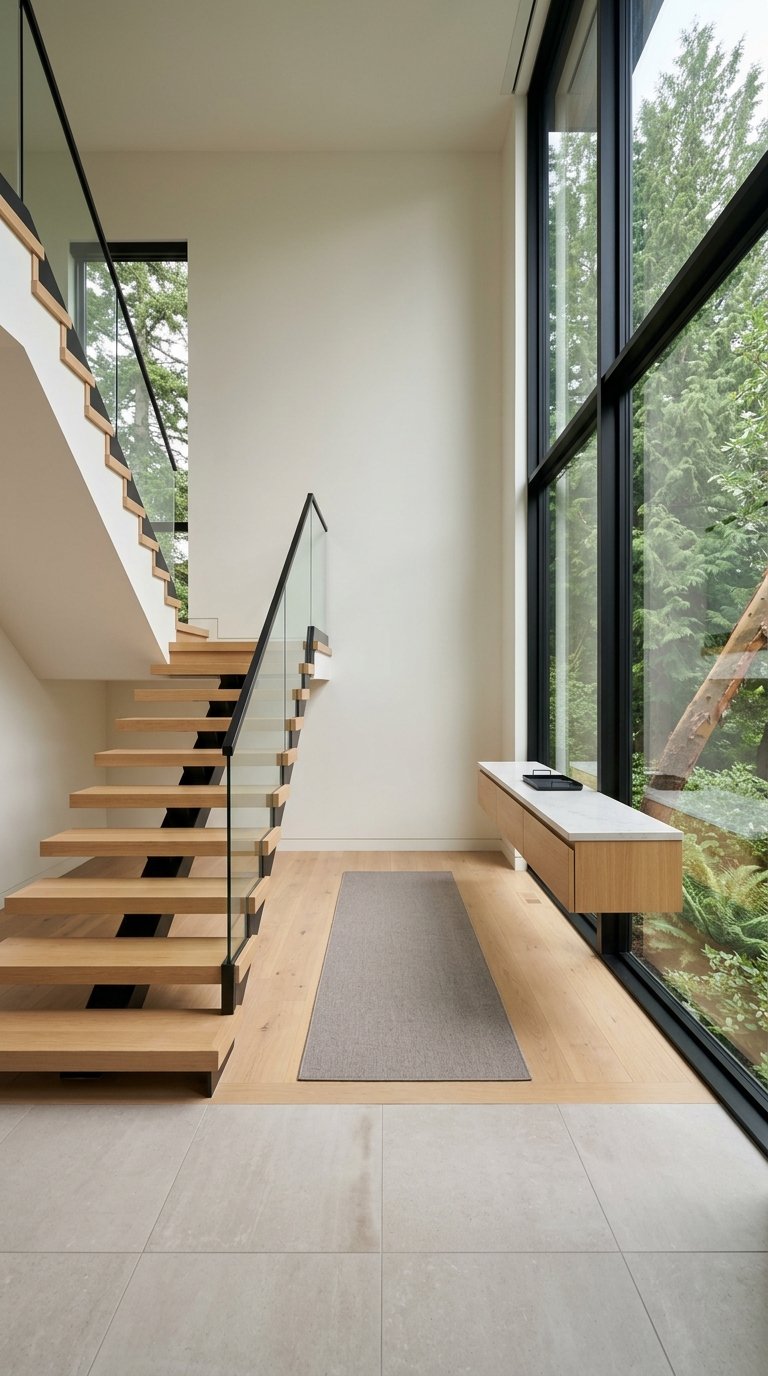
West Seattle to Eastside Move-Up Guide for Buyers
May 28, 2026
May 28, 2026
If you love West Seattle but need more space, a different commute pattern, or a better fit for your next chapter, moving to the Eastside can feel exciting and overwhelming at the same time. You may be weighing sale proceeds, timing, school boundaries, and how daily life will change once Lake Washington is part of your routine. This guide will help you think through the biggest move-up decisions with more clarity, so you can plan your next step with confidence. Let’s dive in.
A move from West Seattle to the Eastside is not just about choosing a new house. It is also about sequencing two major transactions in a way that protects your cash position and keeps stress as low as possible.
For most homeowners, the safest default is to sell the current home before buying the next one. That approach can make your available proceeds clearer, reduce the risk of carrying two housing payments, and help you make cleaner decisions about your budget.
Buy-first strategies can work, but they usually require either strong liquidity or a temporary financing plan. If you want to compete for an Eastside home before your West Seattle home closes, you need to understand exactly where the cash will come from and how long it needs to last.
One of the most common move-up mistakes is focusing only on the down payment. In reality, you will likely need cash for several categories at once, and some of your sale proceeds may need to stay liquid rather than going entirely toward the next purchase.
Closing costs typically run about 2% to 5% of the purchase price. On top of that, you may have moving costs, immediate home setup expenses, and ongoing ownership costs such as property taxes, insurance, and HOA dues if the home is in a managed community.
A simple way to think about your cash needs is to build your plan around these buckets:
If you are using proceeds from your West Seattle sale, it is wise to avoid committing every available dollar to the next down payment too early. Keeping some funds available can give you more flexibility during closing and move-in.
Not all move-up financing options solve the same problem. The right path depends on your equity, your income, your tolerance for risk, and how quickly you expect your current home to sell.
Selling first is often the simplest route because it gives you a clear number for your available proceeds. It can also reduce pressure when you shop on the Eastside, since you are working with more confirmed numbers instead of estimates.
This path may mean planning temporary housing or a rent-back, depending on timing. Even so, many move-up buyers prefer the financial clarity it creates.
If you have substantial liquid funds, buying first may allow you to move once instead of twice. That can be appealing if you want to secure the right Eastside home before listing your West Seattle property.
The tradeoff is that you need enough cash to cover the new purchase while still carrying the current home for a period of time. That is why a full cash-flow review matters before you make offers.
A bridge loan is a temporary loan, often used when you plan to sell your current home within 12 months. A HELOC is revolving credit secured by your home equity, and it functions differently from a bridge loan.
These products are not interchangeable, and each comes with its own risks. Because a HELOC is secured by your home, missed payments can put that property at risk, so it is important to understand the terms and repayment plan before relying on one.
When you are preparing to buy, sellers will often expect a preapproval letter with your offer. It is also smart to compare official Loan Estimates before choosing a lender, rather than assuming the first preapproval you receive is your final financing choice.
For many move-up buyers, school assignment is one of the biggest reasons to consider the Eastside. The key point is simple: if school assignment matters to your household, verify the exact address before you make an offer, not after.
Eastside districts commonly use address-based assignment. That means neighborhood assumptions, listing remarks, or even informal comments are not enough to confirm where a property is assigned.
Bellevue School District assigns students based on residence and guarantees enrollment at the attendance-area school. The district also lists choice schools and language programs, including Bellevue Big Picture, International School, Bellevue Digital Discovery, Jing Mei, and Puesta del Sol.
If Bellevue is on your list, check the district’s address-based school lookup early in your home search. That step can help you avoid spending time on homes that do not match your priorities.
Lake Washington School District covers Kirkland and Redmond and about half of Sammamish. The district uses address-based neighborhood assignment and notes that assignments are subject to change.
It also provides a school-and-bus finder, district map, and feeder pattern information. If you are comparing multiple Eastside areas, this is especially useful for narrowing homes by exact location instead of broad city name.
If you are looking in Sammamish-area locations that feed into Issaquah School District, program details may matter as much as geography. The district’s course guide shows Advanced Placement at Issaquah and Liberty High Schools and International Baccalaureate at Skyline High School only.
That does not make one area universally better than another. It simply means that if a specific academic program matters to your household, you should confirm the school pathway tied to each address you consider.
When you move from West Seattle to the Eastside, your commute is rarely just about distance. It is about route choice, timing, tolls, and whether you want a transit backup when traffic gets tight.
It is also worth noting that the West Seattle Bridge reopened in September 2022, and Spokane Street low-bridge restrictions ended as well. In other words, current access from West Seattle should be viewed based on today’s conditions, not as if the bridge closure were still in place.
I-90 and SR 520 both cross Lake Washington, but they serve different priorities. I-90 is the non-tolled alternative, while SR 520 is tolled in both directions.
WSDOT reports that eastbound delay on SR 520 is typical in the morning on the floating bridge and approaching 148th Avenue NE. Westbound delay is typical in the evening approaching Redmond, which is an important detail if your work or school routine depends on that corridor.
On I-90, WSDOT reported an average 2023 evening Seattle-to-Bellevue general purpose commute of 11 minutes as a corridor benchmark. That is not a promise for any specific home, but it shows why your exact route and departure time can make a big difference.
For some buyers, transit is no longer an afterthought. Sound Transit says the Crosslake Connection completed the 2 Line across Lake Washington, and service on the 1 and 2 Lines runs about 5 a.m. to 12 a.m. daily, with roughly eight-minute peak headways and 10 to 15 minute service otherwise.
Bellevue and Redmond now have direct 2 Line service. If you want a rail option for work, appointments, or occasional car-free days, that can be a meaningful part of your home search criteria.
A successful move-up plan is not just about finding more square footage. It is about matching the home to the way you actually live, from school logistics to commute patterns to monthly carrying costs.
As you compare West Seattle with Bellevue, Redmond, Kirkland, Sammamish, or Issaquah-area options, try filtering each home through the same questions:
That kind of framework can keep your decision practical, even when the process starts to feel emotional.
If your move depends on unlocking equity from your current home, your sale strategy matters just as much as your purchase strategy. The better prepared your West Seattle home is before it hits the market, the more options you may have when it is time to buy on the Eastside.
This is where thoughtful planning can pay off. Pre-listing preparation, staging coordination, pricing strategy, and strong marketing can help you move from guesswork to a more confident next step.
A West Seattle to Eastside move-up is absolutely doable, but it usually goes best when you plan the sale, purchase, and timing as one coordinated decision. When you understand your cash needs, compare financing paths honestly, verify school boundaries early, and test commute options based on real routes, you put yourself in a much stronger position.
If you are thinking about making the move, Larissa Wilson can help you build a smart, tailored strategy for selling in West Seattle and buying on the Eastside with confidence.

Larissa's passion is helping people through the steps of buying and selling. She is willing to keep her clients involved throughout the entire process, but at the same time she doesn't want stress with the details, either, which is a part of what hiring her is all about! She knows the community and surrounding areas, including West Seattle, Greater Seattle and the Eastside.