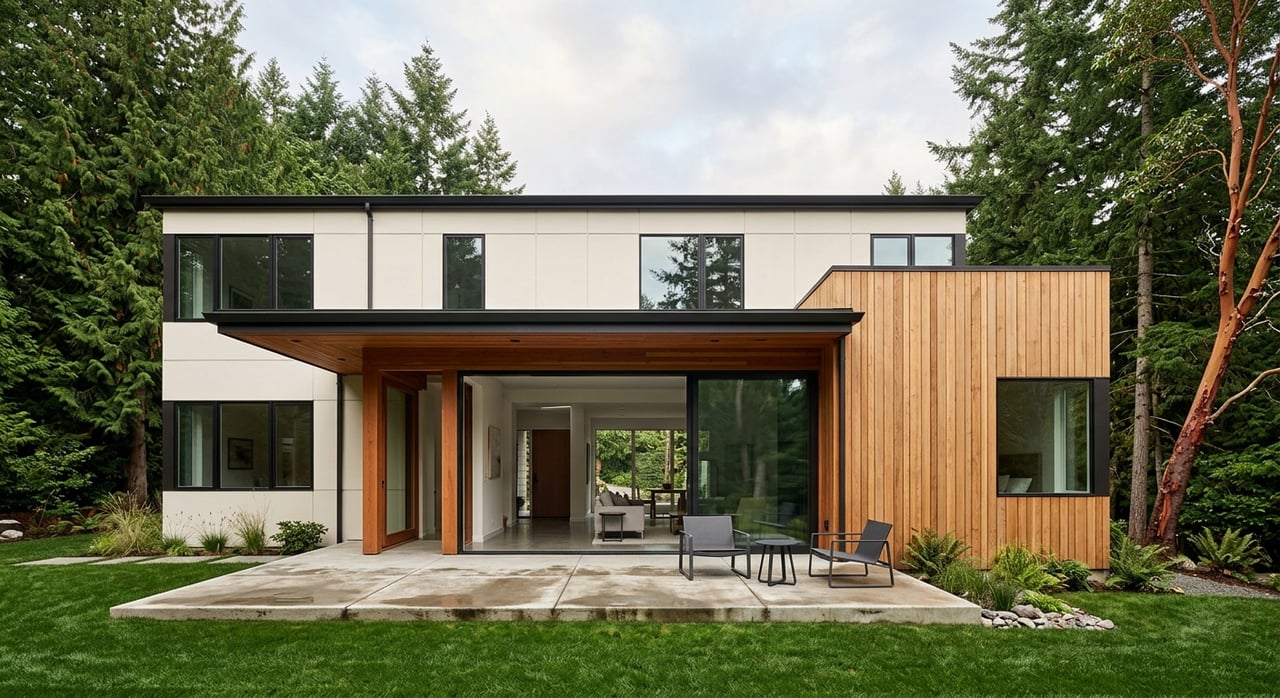
Why Edmonds Appeals To Seattle Buyers Seeking Space
April 23, 2026
April 23, 2026
If Seattle living has started to feel a little too tight, Edmonds may be worth a closer look. Many buyers want more room to spread out, easier access to the outdoors, and a day-to-day setting that feels calmer without cutting themselves off from the city. Edmonds stands out for exactly that mix: residential character, shoreline access, and practical regional connections. Let’s dive in.
Edmonds is about 15 miles north of Seattle and 18 miles south of Everett, which keeps it firmly connected to the larger metro while giving it a very different feel from the urban core. According to the City of Edmonds, the city is easy to reach by rail, bus, ferry, car, and bicycle.
That accessibility is only part of the story. Edmonds also brings together Puget Sound views, waterfront parks, beaches, and a compact downtown. If you are looking for a place where space and setting matter just as much as commute convenience, Edmonds often checks those boxes.
When buyers say they want more space, they are not always talking only about square footage. Often, they mean a quieter daily rhythm, more breathing room between destinations, and a home setting that feels more residential. Edmonds tends to appeal on all three fronts.
The city has an established housing profile. The U.S. Census Bureau estimates Edmonds has 42,871 residents, 18,627 households, and 2.27 persons per household, with a median value of owner-occupied homes at $890,100 and median household income of $122,449 according to Census QuickFacts. That points to a mature, higher-cost market, not a budget alternative.
What many buyers respond to is the feel of the housing stock and the broader community pattern. Edmonds has long been predominantly single-family in character, even as it gradually adds more housing variety. That creates a sense of stability and neighborhood continuity that can feel very different from denser parts of Seattle.
If you are considering a move from Seattle, it helps to understand that Edmonds offers both familiarity and change. Historically, the city’s comprehensive plan reported that in 2010, 63.6% of dwelling units were single-family and 36.3% were multifamily. That long-standing mix supports Edmonds’ reputation as a space-oriented community.
At the same time, the city is expanding its housing choices. Edmonds’ 2025 middle-housing ordinance allows duplexes, triplexes, fourplexes, cottage homes, and courtyard apartments in areas that were previously limited to single-family zoning, while still allowing detached single-family homes. You can review that context in the city’s comprehensive plan materials.
For buyers, that means Edmonds is not frozen in time. You may still find the residential feel many people want, but with a broader range of housing types than in the past. That can be especially useful if you want flexibility in price point, layout, or long-term lifestyle planning.
For many Seattle buyers, space only works if the location still supports real life. Edmonds has a strong case here because it offers several ways to stay connected to the region.
The Sound Transit N Line runs between Everett and Seattle with Edmonds as an intermediate stop. Sound Transit describes it as a weekday-only commuter rail service, which is important to know if you are comparing it to more frequent all-day transit lines.
Edmonds Station also functions as a multimodal hub. The Edmonds Station page highlights rail service and transit connections, and its location near downtown helps tie transportation and walkability together in a practical way.
Community Transit adds another layer of flexibility. Its transit changes overview notes stronger connections to light rail, and the Swift Orange Line links Edmonds College, Lynnwood City Center Station, Alderwood Mall, Ash Way, and Mill Creek with trips every 10 minutes throughout the day. For buyers who do not want to rely on one single commute option, that variety can be a real advantage.
Compared with many outer suburban areas, Edmonds can support a lifestyle where you do not have to drive every day. That does not mean every errand or commute becomes car-free, but it does mean you have more choices than you might expect.
Downtown Edmonds and the station area are part of that equation. Because the station sits near the downtown core, some residents can combine transit use with a walkable environment for dining, errands, events, or waterfront time. That blend is one reason Edmonds often feels more connected and convenient than communities that are purely residential.
Ferry service also adds to the city’s regional identity. Washington State Ferries lists Edmonds/Kingston as an active route, and the City of Edmonds notes that ferry service to Kingston began in 1923. It is best viewed as part of Edmonds’ broader access and maritime character, rather than as a shortcut into downtown Seattle.
One of Edmonds’ biggest draws is that its sense of space extends beyond the home itself. The city’s shoreline, beaches, and parks create room to breathe in a way that many buyers notice immediately.
According to the city’s parks and greenspaces information, Edmonds has one mile of shoreline, 47 park and open-space sites, 230 city acres, and 362 partnership acres. The city also identifies four beach parks along the waterfront: Brackett’s Landing North, Brackett’s Landing South, Marina Beach Park, and Olympic Beach.
That matters because outdoor access becomes part of your everyday routine, not just a weekend plan. A walk by the water, time in a park, or a quick stop at the beach can make the city feel more open and less compressed. For many buyers coming from denser Seattle neighborhoods, that shift is a meaningful quality-of-life change.
Edmonds also offers a downtown experience that feels distinct from larger commercial districts. The city describes downtown as the heart of the Edmonds Creative District, a state-designated district with arts, culture, gathering spaces, parks, and historic structures on Puget Sound.
The district is described as about one mile in diameter, which helps explain why it feels easy to explore. Instead of a sprawling business area, you get a compact downtown with a more intimate scale. That small-footprint layout can make errands, dining, and local events feel simpler and more enjoyable.
For buyers who want a strong sense of place, this is a major part of Edmonds’ appeal. You are not just moving to get a different house. You are choosing a town center with shoreline views, local activity, and a clear identity.
The lifestyle story in Edmonds is not only about scenery. The city’s arts and cultural offerings also shape how the community feels.
The Creative District includes organizations and venues such as Edmonds Center for the Arts, Driftwood Players, Olympic Ballet, Cascadia Art Museum, and Graphite Arts Center, along with recurring events like Porchfest, Jazz Walk, Lunar New Year, Juneteenth, Pride, and more. The city highlights these assets as part of Edmonds’ cultural identity.
The Edmonds Arts Festival Foundation also notes that the annual June festival has run for more than 60 years and supports scholarships, grants, and public art. For buyers comparing locations, that kind of ongoing cultural activity can make Edmonds feel active and engaging without feeling overly busy.
Edmonds is appealing, but it is important to view it clearly. It is not a bargain market, and it is not simply a quieter version of Seattle with all the same patterns. It is its own established coastal city with a higher-cost housing market, a residential feel, and a lifestyle shaped by waterfront access and a compact downtown.
That distinction matters if you are trying to decide whether a move fits your priorities. If your goal is to gain more room, enjoy a calmer setting, and still keep access to Seattle and the broader region, Edmonds may be a strong match. If your top priority is being in the center of a dense urban environment, the tradeoff may feel different.
For many buyers, the answer comes down to balance. Edmonds offers a coastal setting, a mostly residential character, practical transit options, and a downtown that feels both walkable and lived-in. Together, those features create the kind of space many Seattle buyers are searching for.
If you are weighing a move and want help comparing neighborhoods, commute patterns, and lifestyle fit across the Seattle area, working with an advisor who understands how these micro-markets differ can make the process much clearer. When you are ready to talk through your next move, connect with Larissa Wilson for thoughtful, personalized guidance.
Larissa's passion is helping people through the steps of buying and selling. She is willing to keep her clients involved throughout the entire process, but at the same time she doesn't want stress with the details, either, which is a part of what hiring her is all about! She knows the community and surrounding areas, including West Seattle, Greater Seattle and the Eastside.