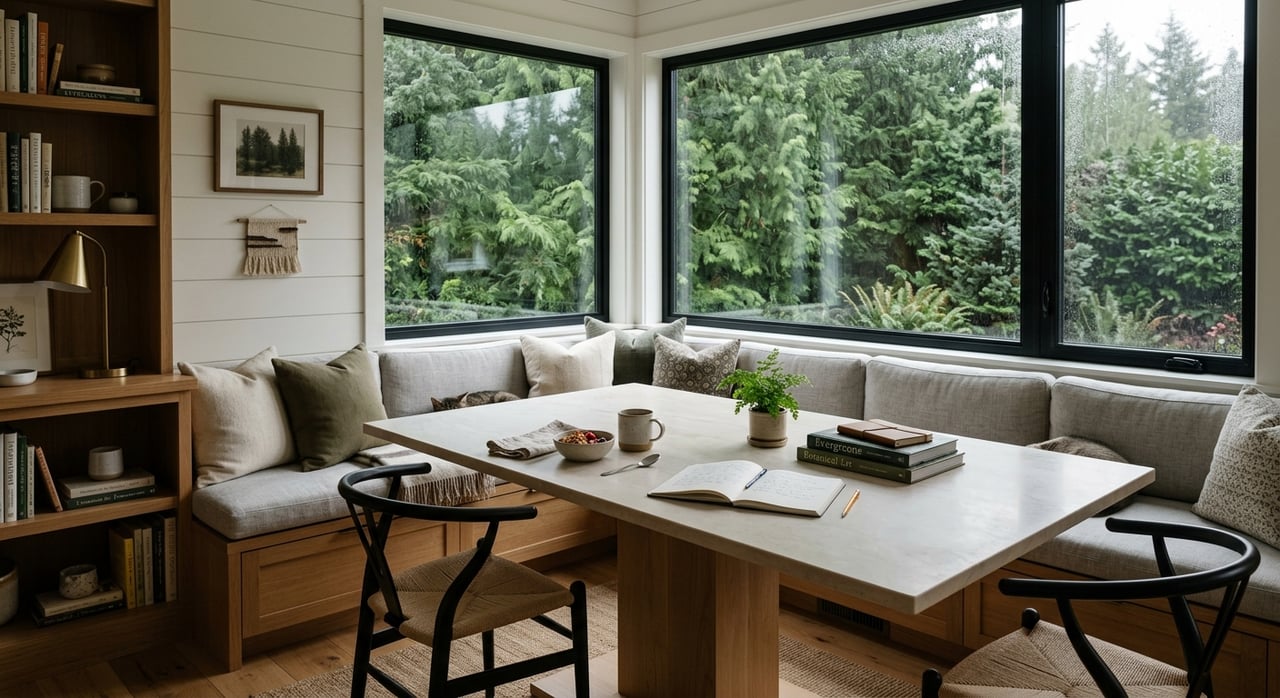
Is Sammamish Good for Families? What Buyers Should Know
May 14, 2026
May 14, 2026
If you’re trying to choose the right Eastside city for your next home, Sammamish probably keeps coming up for one simple reason: it offers the kind of space many buyers want but cannot always find closer in. If you’re balancing schools, commute patterns, parks, and home prices, you need more than a quick impression. This guide will help you weigh the biggest pros, tradeoffs, and practical details so you can decide whether Sammamish fits your family’s next chapter. Let’s dive in.
Sammamish stands out as a suburban Eastside option with a strong owner-occupied feel and a housing stock that leans heavily toward detached single-family homes. Census data shows an average household size of 3.00, with 28.6% of residents under 18 and an owner-occupied housing rate of 82.6%. Those numbers help explain why so many move-up and relocating buyers put Sammamish on their shortlist.
In simple terms, Sammamish tends to attract buyers who want more room to spread out. Compared with denser Eastside cities, the local housing mix is more focused on houses with yards and neighborhood streets rather than condos, townhomes, or rail-oriented living.
The biggest lifestyle draw in Sammamish is often the housing itself. The city’s 2024 planning update says 83.4% of homes are detached single-family, which is notably higher than Redmond and Bellevue. If your priority is a more traditional suburban home pattern, Sammamish is one of the clearest examples on the Eastside.
Pricing reflects that demand. Recent data points place Sammamish homes around the mid-$1.6 million range, including a median home sale price of $1,647,500 and an average home value of about $1,627,993. For many buyers, that means Sammamish is a premium market where the conversation is less about finding an entry-level option and more about finding the right long-term fit.
Home sizes can vary, but local assessor data gives a useful sense of the range. In North Sammamish Plateau, common homes include older homes around 1,860 square feet, many 2000s-era homes around 2,730 to 3,300 square feet, and higher-end properties reaching roughly 4,130 to 9,000 square feet. That variety can give growing households more options if they need extra bedrooms, office space, or flexible living areas.
For many buyers, schools are a major part of the Sammamish decision. One important detail is that Sammamish is not served by just one district. Lake Washington School District serves about half of Sammamish, while Issaquah School District also serves part of the city, and both indicate that assignment should be confirmed by exact address.
That matters because school boundaries can shift from one street to the next. On the Lake Washington side, Samantha Smith Elementary feeds Inglewood Middle and Eastlake High. On the Issaquah side, Cedar Trails Elementary, Pine Lake Middle, and Skyline High are all in Sammamish.
Recent SchoolIntel profiles using state-based data place Cedar Trails Elementary, Pine Lake Middle, Eastlake High, and Skyline High in the A range. The broader takeaway is that Sammamish buyers often see strong school options, but you should always verify the exact attendance area before assuming a listing is assigned to Eastlake or Skyline.
If your ideal home search includes easy access to the outdoors, Sammamish has a lot going for it. The city highlights a park system built around lakes, beaches, trails, and natural areas, with open spaces and trails generally available from dawn to 30 minutes after sunset. That supports the day-to-day lifestyle many households want, especially if weekends often involve playground time, trail walks, or time by the water.
Pine Lake Park is one of the city’s better-known outdoor spots, with 19 wooded acres on Pine Lake. Designated swimming areas are also posted at Pine Lake Park and Sammamish Landing Park. These amenities help make recreation feel close to home rather than something you have to drive far to find.
The city’s Parks and Recreation department says it is dedicated to safe places to play, gather, and learn in natural areas. For many buyers, that translates into a calmer suburban rhythm that prioritizes outdoor access and neighborhood-based living.
Sammamish can work well for buyers employed in Bellevue, Redmond, or Seattle, but it helps to go in with realistic expectations. The city does not have freeways running through it, so most commuting depends on local arterials and planning your route well. Common connections include 228th/Sahalee, East Lake Sammamish Parkway, SE 43rd Way, and NE Inglewood Hill/NE 8th for access toward job centers and freeway connections.
The commute profile is more car-centric than rail-first. Census data puts the mean travel time to work at 29.3 minutes, and regional transit options include park-and-ride service and Route 554 connections from South Sammamish Park & Ride and Issaquah Highlands Park & Ride to Eastgate and downtown Seattle. That can be workable if you are comfortable with a drive-and-ride routine.
The city also notes that transit service is limited and the street network is relatively unconnected. So if daily walkability and frequent transit are at the top of your wish list, Sammamish may feel less convenient than Bellevue or Redmond.
Sammamish often appeals most to buyers who are comfortable trading some convenience for more space and a quieter setting. This is not the Eastside location most people choose for a dense, urban pattern with lots of transit and housing variety. It is better understood as a city where parks, detached homes, and residential neighborhoods shape everyday life.
That does not mean there are no mobility options. The city notes access to buses, park-and-ride service, Community Van, Metro Flex, and SchoolPool, with Metro Flex operating as an on-demand service in Sammamish and Issaquah. Still, the overall pattern remains more suburban than urban.
One mistake buyers sometimes make is assuming every Sammamish home has the same neighborhood setup. In reality, HOA status is very specific to the property and community. Some homes are marketed without HOA fees, while neighborhoods such as Deerfield, Tree Farm, The Crest, and Field Rush have active HOA governance.
That means you should verify each property individually instead of making a citywide assumption. Reviewing the parcel details and seller disclosures can help you understand whether a home has dues, shared rules, or neighborhood restrictions that affect your decision.
If you are comparing Eastside cities, the tradeoff is fairly clear. Sammamish offers a stronger single-family-and-yard orientation, while Bellevue and Redmond offer more housing variety and stronger transit-oriented options. That difference can be a major deciding factor depending on how you want your daily life to feel.
Sammamish may be the better fit if you want:
Bellevue or Redmond may feel like a better fit if you want:
Sammamish is often a strong match if your priorities are space, a detached home, outdoor access, and a suburban Eastside setting. The local housing stock, owner-occupied profile, and family-oriented daily rhythm all support that appeal. For many move-up buyers, it offers the kind of home environment that feels built for staying put.
At the same time, Sammamish is not the right answer for every household. If you want a more urban pattern, frequent transit, or more variety in lower-density and attached housing, you may find Bellevue or Redmond a better fit. The best move usually comes down to how you balance home size, schools, commute habits, and lifestyle preferences.
If you’re weighing Sammamish against other Eastside neighborhoods, working with a local advisor can help you compare specific streets, school boundaries, commute routes, and resale considerations with more confidence. When you’re ready to talk through the options, Larissa Wilson can help you find the right fit for your goals.
Larissa's passion is helping people through the steps of buying and selling. She is willing to keep her clients involved throughout the entire process, but at the same time she doesn't want stress with the details, either, which is a part of what hiring her is all about! She knows the community and surrounding areas, including West Seattle, Greater Seattle and the Eastside.